
Wildfires are becoming more common across Alberta, and their effects reach far beyond the visible flames. When smoke drifts into our neighbourhoods, it brings fine particles, gases, and toxic compounds. These pollutants don’t just stay outside. They sneak in through windows, cracks, and poorly sealed frames. As a windows replacement company in Calgary, we often speak with homeowners about how smoke exposure affects indoor air. This post focuses on the role of windows and filtration in reducing those health risks and keeping air cleaner inside homes.
What Wildfire Smoke Brings into the Home
Wildfire smoke is more than a strong smell or a hazy sky. It carries particulate matter known as PM2.5. These particles are tiny—thirty times smaller than the width of a hair—and they enter homes easily. In addition, wildfire smoke contains volatile organic compounds and carbon monoxide. Together, these elements can irritate lungs, worsen asthma, and cause headaches or fatigue.
We notice this especially in homes with older or single-pane windows. Gaps in window frames let the outdoor air creep indoors, even when the windows are shut. That is to say, the age and condition of your window systems play a major role in how much smoke gets through. A well-sealed home traps less smoke, and when it’s filtered correctly, the indoor air remains noticeably cleaner.
The Role of Window Seals and Frames
Every window is more than just glass. Frames, seals, and the installation method determine how well a window blocks air, moisture, and contaminants. Some frames warp with heat, others loosen over time. When seals break or shrink due to sun exposure or age, they stop performing as intended.
Consequently, wildfire smoke finds its way through these weak points. We’ve seen many Calgary homes where seals have cracked from long winters and dry summers. Homeowners often think their HVAC systems will handle the filtering, but if windows leak, those systems work harder and less effectively. That’s one reason we suggest a full inspection when smoke becomes a seasonal concern. In some cases, switching to vinyl windows in Calgary offers long-term improvements in air tightness.
Filters Can Only Do So Much Without Window Support
High-efficiency filters in HVAC units and standalone air purifiers help a great deal. However, their success depends on the home’s overall seal. If your windows let in air, filters can’t keep up. Smoke constantly enters, making the filtration loop less efficient.
Most importantly, this affects those with allergies or breathing conditions. We’ve worked in homes where two air purifiers run nonstop, but the haze never clears until the windows are replaced or sealed correctly. That is to say, the performance of your windows shapes how well your filters can do their job. Proper filtration needs proper containment.
Indoor Air Quality Tools and What They Show
Several Calgary homeowners now use indoor air monitors. These devices track real-time levels of PM2.5, temperature, and humidity. During wildfire season, many are surprised to see readings spike—especially overnight—despite closed doors and clean filters.
What’s happening is that older or drafty windows allow slow but steady infiltration. We’ve tested rooms ourselves and found a direct connection between rising PM levels and leaking window frames. Subsequently, we often recommend homeowners use these monitors to guide upgrade decisions. They reveal which rooms need attention and how well temporary fixes perform.
Temporary Window Fixes When Fires Hit Fast
When smoke rolls in suddenly, it’s important to act quickly. Short-term window sealing can reduce the immediate impact. We’ve seen success with foam weatherstripping, heavy-duty tape on the window frame edges, and using plastic shrink film kits designed for winter drafts.
These don’t last forever, but they work as an emergency response. If you can feel air movement around your windows during high-smoke days, these materials create a buffer. Similarly, using thick curtains helps slow air exchange slightly. But for reliable control, long-term window upgrades will always offer better results.
How Vinyl Windows Improve Smoke Resistance
Vinyl windows are known for their energy efficiency, but they also help during wildfire events. The tight seals, fusion-welded frames, and double or triple glazing reduce the entry points for outside particles. We’ve installed these in multiple Calgary neighbourhoods where fire smoke became a recurring problem.
In addition, vinyl doesn’t warp or crack as easily as other materials when exposed to heat or sun. This durability keeps the seal intact longer. By reducing airflow through seams and frame corners, these windows form a more effective barrier. When paired with good home ventilation, the air stays clearer even during poor air quality days.
Best Times of Year to Replace Old Windows
Replacing windows takes planning, and timing makes a big difference. The ideal seasons in Calgary are late spring or early fall. These months have milder temperatures, and your home doesn’t lose as much heating or cooling during the work.
After that, we see an increase in emergency calls during peak fire season. Homeowners notice smoky air or drafts and want quick solutions. We recommend preparing ahead. If you’re thinking about making a change, it’s wise to get a window replacement quote in Calgary before fire season becomes a health concern.
How to Tell if Your Windows Are Letting Smoke In
You don’t need special tools to identify a problem. If your indoor air smells like smoke, even faintly, it means outside air is getting in. Foggy windows, hot or cold drafts near the frame, and whistling during wind are all signs your seals aren’t holding.
To test more directly, hold a candle or incense stick near the window edges. If the flame or smoke flickers, air is leaking. During fire season, this leak carries in fine smoke particles, even if you can’t smell them right away. Once you confirm the issue, you can decide if sealing or full replacement is the next step.
Hidden Air Gaps Are Just as Problematic
Some windows seem fine on the surface but have problems inside the frame or behind the trim. These hidden gaps happen from poor installation or materials that shift over time. As a result, many homes let in more smoke than expected even with newer windows.
It’s easy to miss these issues without a closer look. We’ve opened trim on several jobs to find insulation gaps or frame misalignment. Air moves quietly through these areas and lowers the effectiveness of any indoor filtration setup. For this reason, thorough inspection should include both visible and hidden parts of your window system.
What a Full Window Upgrade Actually Involves
Many people expect chaos during window replacement, but the process is more predictable than it seems. It starts with measurements and material selection. Then we remove the old frame, inspect the opening, add insulation if needed, and install the new unit.
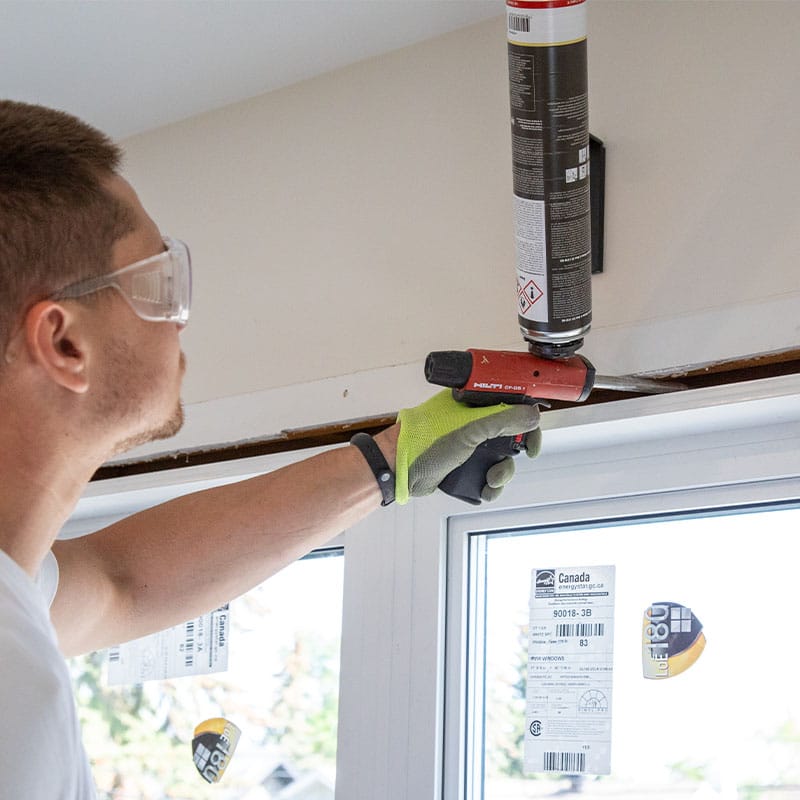
Each step matters when sealing out smoke. We use expanding foam or backer rod where gaps exist, then apply new interior and exterior trim. The right caulking is critical to keeping outside air from sneaking through joints. Once complete, you feel the difference not just in air quality, but in temperature stability too.
Which Rooms Need Priority Attention
Living rooms and bedrooms matter most during smoky days. These are the places we spend the most time and breathe the deepest. So, if your budget allows only partial window replacement, start where the family gathers or sleeps.
In homes with children or seniors, this becomes even more urgent. Rooms that already have poor airflow or show signs of humidity buildup are especially vulnerable to smoke infiltration. Addressing those first reduces health risks and gives your filtration system the best chance to work properly during fire events.
Prevention Is Better Than Emergency Sealing
Although temporary sealing methods help, they work best as a short bridge. Long-term protection comes from better materials and tighter installation. It’s harder to fix these issues when the air already smells like smoke and everyone is scrambling for filters.
That’s why early planning makes a big difference. If you’re in an older home or notice drafts near your windows, it’s a good time to learn more about your options. One way to begin is by visiting a windows replacement company in Calgary that understands local climate challenges.
FAQs
How often should I inspect my windows for smoke leaks?
At least once a year, before fire season starts. Focus on seal condition, frame warping, and visible cracks.
Can air purifiers fully protect against wildfire smoke?
They help, but only if your home is sealed properly. Otherwise, they work harder and remove less over time.
Is replacing one window enough to see improvement?
It depends on where the leak is. If that window is in a major living area, the change can be noticeable.
Do vinyl windows reduce all outdoor pollutants?
They greatly limit air transfer, which lowers indoor exposure. However, complete protection also needs good ventilation and filtration.
What’s the best way to get started with new windows?
Schedule an estimate and ask for a full inspection. If you’re ready, contact us for expert advice.